01/20/2026
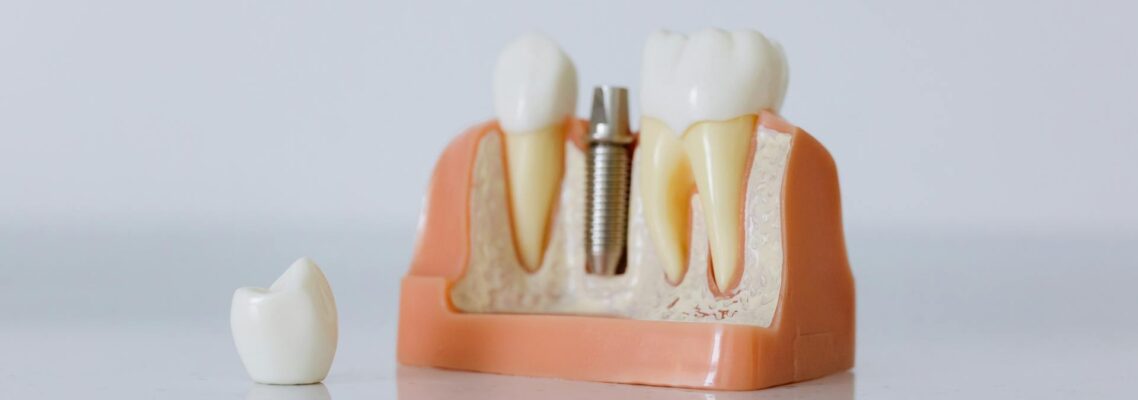
Tooth loss affects daily comfort, nutrition, and long-term health in ways that reach far past appearance. Dental implants are often discussed for smile repair, yet their value extends into physical wellness and oral stability. ClearWave Dental & Aesthetics patients ask how implants influence health beyond cosmetics. Unlike removable solutions, implants integrate with the jaw and behave like natural tooth roots. This biological connection changes how people chew, speak, and age orally. Over time, missing teeth can disturb bone balance, gum strength, and bite harmony. Understanding the broader health gains helps patients make informed choices that support lasting function, comfort, and confidence while reducing future dental strain and lowering avoidable treatment needs later across many adult years.
Preservation of Jawbone Strength
One of the most significant health benefits of dental implants is their effect on jawbone preservation. When a tooth is lost, the bone beneath it no longer receives stimulation from chewing forces. This lack of activity can lead to gradual bone shrinkage, which alters facial structure and weakens oral support. Dental implants transmit pressure into the bone during normal use, helping maintain density and shape. By supporting bone stability, implants reduce the risk of further loss of tooth and facial collapse. This structural support also helps keep neighboring teeth properly aligned, limiting bite changes that may cause jaw discomfort or uneven wear over time.
Improved Digestive Health Through Better Chewing
Efficient chewing plays a quiet yet important role in digestive health. Missing teeth or loose dentures can limit the ability to break food down properly, forcing the stomach to work harder. Dental implants restore firm biting power, allowing patients to chew a wider range of foods, including fibrous vegetables and proteins. Better food breakdown supports smoother digestion and nutrient absorption. Over months and years, this improvement can influence energy levels and overall wellness. A stable bite also encourages slower, more comfortable eating habits, which can reduce digestive irritation and support healthier dietary choices.
Reduced Risk of Gum and Oral Infections

Gaps left by missing teeth can trap food particles and bacteria, increasing the chance of gum irritation and infection. Dental implants fill these spaces and create a stable environment that is easier to keep clean. Because implants sit securely in the jaw, they do not rub against gums like some removable options, lowering the likelihood of sores and inflammation. Healthier gums form a stronger barrier against bacteria entering the bloodstream through oral tissues. Maintaining gum stability supports broader health, as oral infections have been linked to conditions affecting the heart and immune response.
Support for Clear Speech and Jaw Comfort
Tooth loss can subtly change speech patterns, leading to unclear pronunciation or strain during conversation. Dental implants restore proper spacing in the mouth, allowing the tongue and lips to move naturally during speech. This support reduces muscle fatigue and jaw tension that may develop when compensating for missing teeth. Clearer speech often improves social confidence, which can positively influence mental well-being. In addition, a balanced bite helps distribute pressure evenly …