01/26/2026
Pushing your limits during exercise feels productive, but progress often shows up during recovery, not the workout itself. Many people overlook this phase and wonder why soreness lingers or energy dips. A smarter approach blends effort with recovery habits that help the body reset and rebuild. Training plans that balance intensity and rest tend to produce steadier results, and Fitness Gear and Training breaks down the most effective weekly training division for those who want structure without burnout. Recovery does not have to feel technical or time-heavy. With a few intentional habits added after every session, your body can bounce back faster, muscles can respond better, and motivation stays intact. Treat recovery as part of training, not an optional extra, and workouts begin to feel more sustainable.
Prioritize Active Cool-Down Movement
Stopping abruptly after intense exercise can leave muscles stiff and circulation sluggish. A short cool-down with gentle movement helps the body shift gears. Walking, slow cycling, or light mobility drills encourage blood flow and reduce post-workout tightness. This habit supports joint comfort and lowers the shock to your system after hard effort. Even five to ten minutes can make a noticeable difference. The goal is not performance but transition, allowing heart rate and breathing to settle gradually. Over time, consistent cool-downs can reduce soreness patterns and improve how your body feels the next day.
Refuel With Simple Post-Workout Nutrition
Food after exercise sends a clear signal to the body that rebuilding can begin. A combination of protein and carbohydrates supports muscle repair and replenishes energy stores. This does not require elaborate recipes or rigid timing rules. A balanced snack or meal within a reasonable window works well for most people. Greek yogurt with fruit, eggs with toast, or a smoothie with protein can all fit. The key is consistency rather than perfection. Regular refueling habits help muscles adapt to training stress and can reduce cravings later in the day.
Rehydrate With Purpose

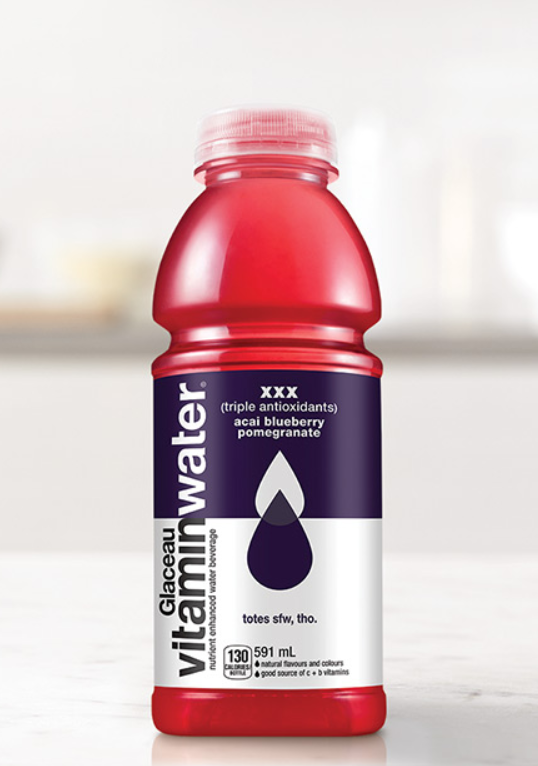
Sweat drains more than water. Electrolytes, minerals, and fluids all play a role in muscle function and recovery speed. Drinking water alone may not fully replace what is lost during demanding sessions. Adding a pinch of salt, fruit-based hydration, or electrolyte blends can help restore balance. Rehydration also supports circulation, which carries nutrients to tired muscles. Sipping steadily after training works better than chugging large amounts at once. This habit supports recovery quality and helps prevent lingering fatigue that sneaks in hours later. Listening to thirst cues while staying consistent creates better recovery rhythms.
Use Gentle Stretching and Mobility
Stretching after workouts helps restore muscle length and ease tension. Gentle holds and controlled mobility drills are often more effective than aggressive stretching. Focus on areas worked during the session, moving slowly and breathing deeply. This approach supports flexibility while calming the nervous system. Mobility routines can be short yet effective, especially when done regularly. Instead of forcing range, aim for comfort and gradual release. Over time, this habit can improve movement quality and reduce stiffness that interferes …






















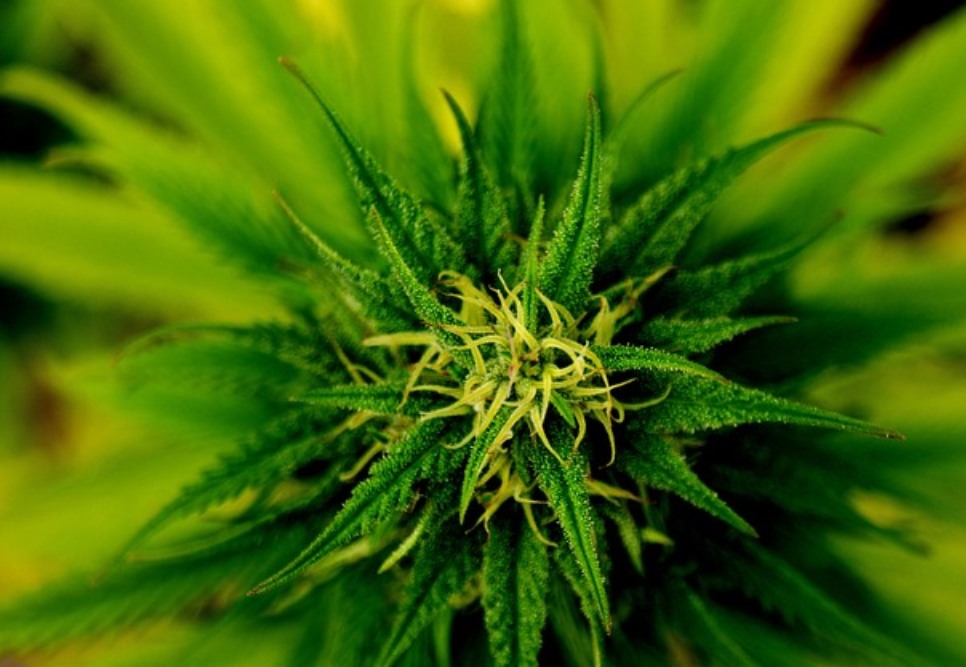
 The use of a vape is supposed to take out all the other harmful chemicals that are present in weed. They say that vaping is a lot like using a bong. What this does is when you pull the smoke from the weed, it will travel through the water giving it a cooler inhale. When you put it in a vaporizer, it is the same concept; the vaporizer will turn the weed into a cool vape, which won’t burn your throat as you inhale it. This is the reason why more users prefer weed vaporizing.
 This has been around for a long time. They say it helps with pain and it will hit you the fastest. By smoking weed, it will also increase your appetite. A lot of people who have cancer won’t be able to eat, because of the medication that they are taking for the illness. Smoking marijuana is a lot like smoking cigarettes.