fatigue

Health

The Best Recovery Habits to Add After Every Workout

Pushing your limits during exercise feels productive, but progress often shows up during recovery, not the workout itself. Many people overlook this phase and wonder why soreness lingers or energy dips. A smarter approach blends effort with recovery habits that help the body reset and rebuild. Training plans that balance intensity and rest tend to produce steadier results, and Fitness Gear and Training breaks down the most effective weekly training division for those who want structure without burnout. Recovery does not have to feel technical or time-heavy. With a few intentional habits added after every session, your body can bounce back faster, muscles can respond better, and motivation stays intact. Treat recovery as part of training, not an optional extra, and workouts begin to feel more sustainable.

Prioritize Active Cool-Down Movement

Stopping abruptly after intense exercise can leave muscles stiff and circulation sluggish. A short cool-down with gentle movement helps the body shift gears. Walking, slow cycling, or light mobility drills encourage blood flow and reduce post-workout tightness. This habit supports joint comfort and lowers the shock to your system after hard effort. Even five to ten minutes can make a noticeable difference. The goal is not performance but transition, allowing heart rate and breathing to settle gradually. Over time, consistent cool-downs can reduce soreness patterns and improve how your body feels the next day.

Refuel With Simple Post-Workout Nutrition

Food after exercise sends a clear signal to the body that rebuilding can begin. A combination of protein and carbohydrates supports muscle repair and replenishes energy stores. This does not require elaborate recipes or rigid timing rules. A balanced snack or meal within a reasonable window works well for most people. Greek yogurt with fruit, eggs with toast, or a smoothie with protein can all fit. The key is consistency rather than perfection. Regular refueling habits help muscles adapt to training stress and can reduce cravings later in the day.

Rehydrate With Purpose

drinking water

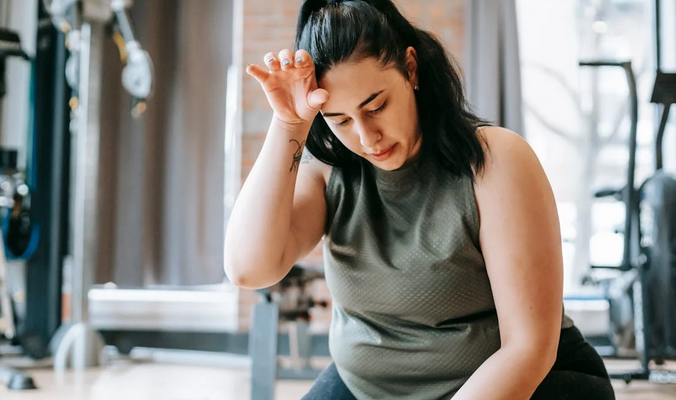
Sweat drains more than water. Electrolytes, minerals, and fluids all play a role in muscle function and recovery speed. Drinking water alone may not fully replace what is lost during demanding sessions. Adding a pinch of salt, fruit-based hydration, or electrolyte blends can help restore balance. Rehydration also supports circulation, which carries nutrients to tired muscles. Sipping steadily after training works better than chugging large amounts at once. This habit supports recovery quality and helps prevent lingering fatigue that sneaks in hours later. Listening to thirst cues while staying consistent creates better recovery rhythms.

Use Gentle Stretching and Mobility

Stretching after workouts helps restore muscle length and ease tension. Gentle holds and controlled mobility drills are often more effective than aggressive stretching. Focus on areas worked during the session, moving slowly and breathing deeply. This approach supports flexibility while calming the nervous system. Mobility routines can be short yet effective, especially when done regularly. Instead of forcing range, aim for comfort and gradual release. Over time, this habit can improve movement quality and reduce stiffness that interferes …

Health

Signs You Should Reconsider Your Weight Loss Supplements

Sometimes, despite sticking to your diet and workouts, the scale refuses to budge. Trying simple ways to enhance meals with supplements might seem like a quick fix, but the truth is that not all supplements work the same for everyone. Studies show that individual responses vary widely due to metabolism, gut microbiome, and lifestyle factors. Paying attention to your body can save time, money, and frustration. Subtle signals may indicate that it’s time to switch your supplement routine for better results.

Plateaus That Don’t Budge

One major red flag is a plateau that lasts weeks, even months. Research from Obesity Reviews notes that the body can adapt to certain fat-burning or appetite-control supplements, reducing their effectiveness over time. When progress halts, it might be a sign that your current choice is no longer meeting your metabolic needs. This doesn’t mean giving up on supplements entirely. Rotating products or combining them with different dietary strategies can reactivate fat metabolism safely.

Unexpected Side Effects

side effect

Supplements should support your health, not compromise it. Persistent headaches, digestive distress, or jitteriness can indicate that your supplement isn’t compatible with your system. The Journal of Clinical Nutrition emphasizes that some ingredients, particularly stimulants, can affect heart rate, sleep, and digestion in sensitive individuals. Ignoring these warning signs may lead to bigger issues. Switching to a formula with gentler, more balanced ingredients can maintain results without the side effects.

No Appetite Control

Some supplements claim to curb cravings or reduce hunger. If you find yourself snacking excessively or struggling with portion control despite regular intake, it may not be the right fit. Clinical studies suggest that effectiveness varies depending on fiber content, protein blends, and satiety-inducing compounds. Adjusting to a supplement that better matches your appetite patterns can prevent overeating. Combining this with mindful eating practices often yields the best outcomes.

Fatigue or Low Energy

fatigue

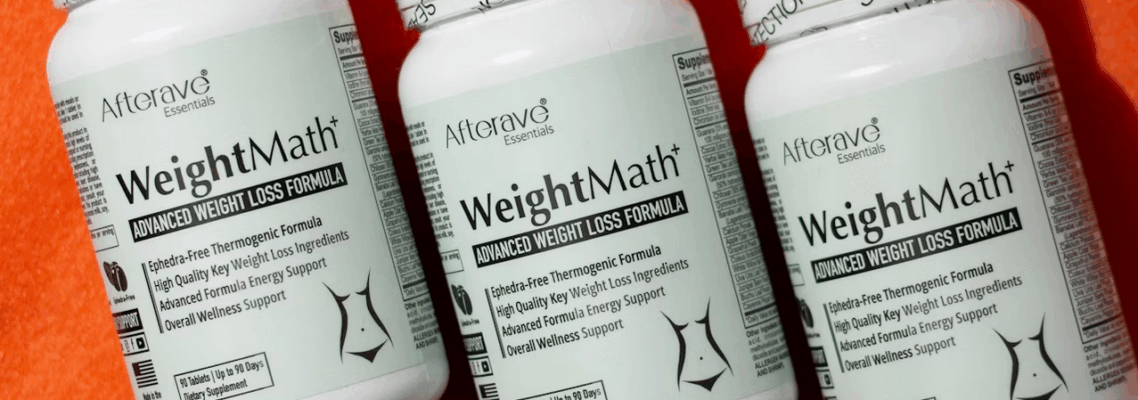
Ironically, some weight loss supplements can zap your energy instead of boosting it. Persistent fatigue, sluggish workouts, or decreased motivation may indicate nutrient imbalances or over-reliance on stimulants. According to research published in Nutrients, energy-supporting ingredients like B vitamins, magnesium, and adaptogens can counteract fatigue while supporting metabolism. Switching to a formula that balances metabolism support with energy maintenance can enhance both performance and results. Supplements are tools, not magic bullets, and your body communicates when adjustments are needed.

Mood Swings or Mental Fog

If you feel unusually irritable or mentally clouded, your supplement could be influencing neurotransmitters or blood sugar. The American Journal of Lifestyle Medicine notes that hormonal shifts and nutrient deficiencies can directly affect mood during weight loss. A supplement change might be necessary to restore mental clarity and emotional balance. Choosing products that include mood-supporting ingredients like omega-3s, vitamin D, or adaptogens may help maintain both focus and motivation. Paying attention to these subtle signals ensures your weight loss journey is sustainable and health-forward.

Monitoring your body’s responses, from plateaus to fatigue, can guide smarter supplement choices. Being proactive about changes helps you stay on track safely and …

workouts

Health

Smart Fitness Tips for Students Without a Gym Membership

College life can be fast-paced, overwhelming, and often budget-strapped — which means that buying a pricey gym membership is rarely a top priority. But that doesn’t mean you have to give up on fitness altogether. Whether you’re living in a dorm or hopping between classes and study sessions, there are simple ways students can stay fit on campus without ever stepping foot into a gym. You just need the right tips, some creativity, and a little consistency.

Here are some straightforward fitness tips that college students can easily incorporate into their routine — no equipment or gym card required.

Turn Your Dorm Room Into a Mini Workout Zone

Your dorm room might be small, but it’s still a powerful space to build daily habits that move your body. Basic bodyweight exercises like push-ups, crunches, planks, and jumping jacks require no equipment and take up very little space. You can do them while binge-watching a lecture or between study breaks. Create a quick 15-minute circuit you can repeat each morning or evening. No need to overthink it — just move consistently. Adding some resistance bands or a yoga mat (both affordable and portable) can also take your dorm workouts to the next level without breaking the bank or cluttering your space.

Make Walking Your Primary Mode of Travel

walking to campus

This might sound obvious, but walking is one of the easiest and most overlooked ways to stay active. Ditch the campus shuttle or rideshare for short distances. If your class is a 10-minute walk, take the long route and turn it into a 20-minute walk. You’ll rack up steps and get fresh air, which can also be a mental reset between lectures. If you’re really committed, schedule “walking office hours” with classmates or professors when possible — it’s productive and good for your body.

Get Into Free YouTube Workouts or Fitness Apps

Gone are the days when you needed an expensive trainer to get in shape. YouTube is packed with short, engaging workouts you can follow for free. From HIIT to yoga, dance cardio to pilates — the variety is impressive, and you’ll never get bored. Fitness apps like Nike Training Club, FitOn, or even just a simple timer app can guide you through routines, track your progress, and give structure to your efforts. The best part? You can do these workouts on your schedule, whether it’s at 6 AM or midnight.

Turn Social Time Into Active Time

hiking

Instead of always meeting up for coffee or fast food, suggest a walking meetup, a friendly game of basketball, or even a dance session in someone’s dorm. Movement doesn’t always have to look like “working out.” Active hangouts can double as stress relief and bonding time, especially during exam periods. Joining an intramural sport, dance team, or club hike can also keep your energy up and your social life thriving — all while building fitness naturally into your routine.

Prioritize Daily Movement Over Perfect Workouts

A big mistake many students make is thinking that fitness …

kicking ball

Health

Why Regular Sports Activity Beats the Gym for Total Health

You might think the gym has all the answers—treadmills, dumbbells, protein bars. But when it comes to lasting health, team sports and recreational play often have the upper hand. Think back to childhood: playing basketball on the street or soccer in a dusty field didn’t feel like “working out.” It felt like freedom. And that’s a big part of why sports win. Movement should be fun just like choosing how to spend your free time, whether it’s joining a game with friends or exploring the best offshore betting sites for a little strategic excitement.

Built-in Motivation Without the Dread

cyclists

Most gym-goers hit a wall. The music blares, the machines hum, but motivation fizzles fast. With sports, you’ve got teammates, goals, and a scoreboard—even if it’s imaginary. People are more likely to stick with a routine when there’s a social or competitive element. It’s harder to bail on a volleyball match when your friend’s expecting you to show up. This natural accountability keeps people coming back without needing pep talks.

Effective Calorie Burning Without Boredom

Let’s be real—30 minutes on a stationary bike can feel like watching paint dry. Playing tennis for the same amount of time? You’re moving, thinking, laughing, maybe even trash-talking. The energy stays high. Your body burns just as much, if not more, without feeling like punishment. That’s the magic of play: you’re working hard but not noticing it until your shirt’s drenched. Suddenly, exercise becomes something you look forward to.

Better Mental Payoff Than Reps Alone

Physical movement clears the mind, but sports kick it up a notch. In a fast-paced game, your brain is constantly making split-second decisions. That sharpens reflexes, boosts confidence, and reduces stress. Compare that to counting reps in a mirror—there’s often no spark. Sports stimulate both your mind and muscles, creating a more dynamic experience. You walk away tired but alive, not just sweaty and bored.

Real-Life Skills and Physical Gains Combined

Sports aren’t just about physical gains. They teach lessons the gym never will—like teamwork, patience, and handling pressure. These are the same skills that show up in work, relationships, and daily messes. Trying to coordinate with teammates under stress builds emotional strength. Gym workouts rarely mimic those real-life dynamics. Sports push you in unpredictable ways, and that’s where the real growth happens.

The gym isn’t useless, but it’s rarely the full picture. Regular sports activity offers a richer, more engaging way to stay healthy. It blends movement with meaning, sweat with satisfaction. Instead of chasing fitness as a chore, sports let you chase a ball, a goal, or just a good time. That’s what makes it stick. If you’re after total health, pick the field over the treadmill.…

mirror

Health

Weight Loss Mistakes That Harm Your Wellness Goals

Losing weight is often seen as a way to improve overall health, but when done incorrectly, it can have the opposite effect. Knowing how fitness supports wellness goals and weight loss is not enough for successful results. Many well-intentioned people fall into common traps that not only slow progress but also harm their physical and mental wellness. Understanding these pitfalls is essential to ensure your weight loss journey supports your long-term health rather than undermines it.

Skipping Meals or Severely Restricting Calories

craving

One of the most common mistakes is thinking that eating less always leads to faster weight loss. Skipping meals or drastically cutting calories might yield quick results at first, but it’s unsustainable and can trigger a host of problems. Your body can enter starvation mode, slowing down your metabolism and making it harder to lose weight. This can also lead to muscle loss, fatigue, and increased cravings, eventually causing a rebound effect where you regain the lost weight and possibly more.

Relying on Fad Diets

Fad diets often promise rapid results with minimal effort, but they tend to be overly restrictive and lack important nutrients. Many of these diets cut out entire food groups or rely on unproven supplements. Not only are they difficult to maintain, but they can also disrupt your metabolism and create unhealthy relationships with food. In the end, most people abandon them and return to previous habits, often feeling defeated.

Over-Exercising Without Proper Recovery

exercise

Exercise is a crucial part of a healthy lifestyle, but more isn’t always better. Excessive workouts, especially without rest days, can lead to burnout, hormonal imbalances, and even injury. Recovery is just as important as the exercise itself. When your body doesn’t have time to repair and rebuild, you may see little progress despite your efforts. This can be discouraging and can make weight loss feel more difficult than it should be.

Neglecting Sleep and Stress Management

Sleep and stress are frequently overlooked but play a major role in weight management. Poor sleep disrupts hormones like ghrelin and leptin, which control hunger and fullness. As a result, you may feel hungrier and crave high-calorie foods. Chronic stress raises cortisol levels, which encourages fat storage, especially around the abdomen. If you’re not addressing these areas, even the best diet and workout plan may fall short.

Using Supplements as a Shortcut

supplement

While some supplements can support a healthy lifestyle, relying on them as a primary strategy for weight loss is misguided. Fat burners, appetite suppressants, and detox teas often come with side effects and limited results. A supplement can never replace balanced meals, regular exercise, and a sustainable routine. True wellness comes from consistent habits, not quick fixes.

Focusing Only on the Scale

Another harmful mistake is measuring success solely by the number on the scale. Weight fluctuates naturally due to water retention, muscle gain, and other factors. Obsessing over the scale can lead to frustration and demotivation. It’s better to focus on other indicators of progress like energy levels, how your …

personal trainer

Health

Signs You Need a Personal Trainer for Women (and How to Find One in Warsaw)

Are you feeling stuck in your fitness journey? Maybe you’ve been hitting the gym but not seeing the results you desire. Or perhaps you’re unsure of where to start when it comes to working out effectively. If any of this sounds familiar, you might benefit from a trener personalny dla kobiet warszawa.

For many women, finding that extra support can make all the difference between frustration and success. A knowledgeable personal trainer can provide guidance tailored specifically for you, helping to transform your workouts into something both efficient and enjoyable. In a vibrant city like Warsaw, you’ll find plenty of options available, but how do you know if it’s time to seek professional help?

Consistently Missing Your Fitness Goals

Are you constantly setting fitness goals but never quite achieving them? It can be disheartening to feel like you’re putting in the effort without seeing results. This struggle often leads to frustration and even discouragement. When you miss your targets, it’s easy to lose motivation over time. You may find yourself asking why you’re not moving forward.

A personal trainer can help address this issue directly. They provide accountability and create structured plans tailored specifically for your needs. With their expertise, you’re more likely to set realistic milestones that align with your lifestyle and capabilities. As a bonus, you’ll get valuable feedback and professional guidance.

Feeling Lost During Gym Workouts

Walking into the gym can sometimes feel like a lot to make. The array of equipment, crowded spaces, and countless workout options can leave you unsure of where to start. If you find yourself wandering aimlessly or sticking to the same routine out of habit, it might be time for a change. A personal trainer can offer clarity amidst the chaos.

They provide tailored guidance that aligns with your fitness goals. Understanding proper techniques is crucial for safety and effectiveness. Trainers empower you with knowledge about exercises suited to your body type and fitness level. You’ll learn how to use machines correctly and incorporate free weights effectively.

Experiencing Plateaus in Progress

stuck

Hitting a plateau can be frustrating. You may feel like you’re putting in all the effort but not seeing any results. This is often a sign that your body has adapted to your routine. When progress stalls, it’s time to change things up. Maybe you need new exercises or different training techniques. A personal trainer can help identify what’s holding you back and introduce fresh challenges tailored specifically for you.

It’s essential to recognize that plateaus are common in fitness journeys. They don’t mean you’re failing; they signal growth opportunities. An experienced trainer knows how to push past these barriers effectively while keeping safety in mind. They’ll provide motivation and accountability, helping reignite your passion for working out.

Recovering From Injury or Health Issues

The road to regaining strength and confidence often feels overwhelming. Having the right guidance during this time is crucial. A personal trainer who specializes in rehabilitation understands your unique challenges. They can create tailored workouts …

yoga

Fitness

Understanding Yoga And Its Benefits

Yoga has been part of the world for many centuries. It is common to see people planning yoga retreats to as far as other countries. So, the big question is; why all this effort? Yoga centers with highly trained yoga tutors and a peaceful environment are also popular. Yoga can also be taken in your backyard or house if there is a benefit of serenity. Well, let us understand Yoga and its benefits.

Understanding yoga and its benefits

What is yoga?

It is important to understand that yoga yogaoriginated from India and other Asian countries had similar practices as well. It is a combination of mind, body and soul activities that allow both meditation, relaxation, and physical fitness.

Yoga cannot be done in a noisy place and therefore the importance of using yoga centers which are more peaceful. So let us have a look at benefits that may make you plan a yoga retreat.

Meditation

This is the ultimate purpose of yoga. Meditation helps to reflect the past, present, and the future in a calming and soothing way. The brain can focus on what you desire and wish to achieve. It is thus seen in a clearer way, and all results are analyzed. Meditation also gives the inner peace that the body needs. The difficult past life can be accepted and a better plan devised.

Fitness and flexibility

Yoga involves physical exercises that are done in a systematic and rhythmical way. They are not exhaustive exercises but the frequency and consistency yields to an overall body fitness. Such exercises help the body to flex since they involve a lot of stretching. Various body muscles, in particular for ladies, get to benefit, and this can be great to trigger body enhancement hormones like estrogen.

Weight loss

yogaWeight loss is a dream for many. If you want to lose weight in a less difficult way, consider taking a yoga retreat. Apart from consistency yoga, physical activities can not be compared to gym activities or extreme weight loss sports that people take. The healthy diet also contributes to weight loss.


Conclusion

Many more benefits are attributed to yoga. Activities like asanas facilitate massaging of the internal organs and thus assist in detoxifying the body. An excellent retreat will also have the advantage of taking off the stress and fatigue you may be having. The body spirits are as well raised and this boost will make you a happier person in life. It is, therefore, crucial to consider taking a yoga retreat and enjoy the above-discussed benefits.…