Managing Stress and Anxiety in Kids for Better Sleep and Performance
07/18/2025
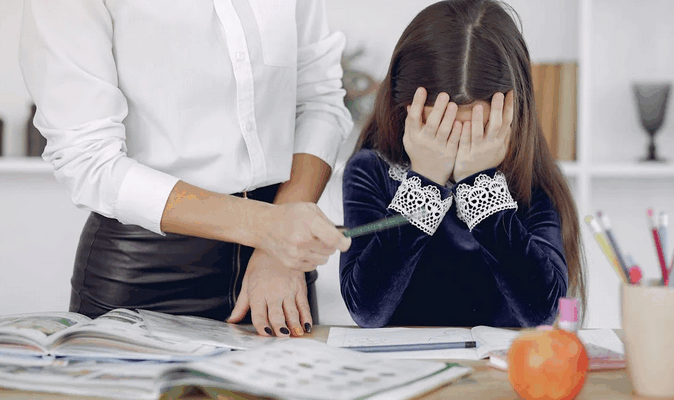
Children today face more pressure than many adults realize. School demands, social challenges, and even after-school activities can weigh heavily on young minds. When kids experience stress, their bodies stay in a state of alertness. This makes it hard for them to relax, wind down, or fall asleep. Poor sleep, in turn, impacts their mood, memory, and ability to focus. Helping children manage stress is not just about calming their minds. It’s also about helping them get the rest they need to perform at their best. Understanding how to help kids sleep better at night through consistent routines, limiting screen time, and creating a calming bedtime environment can make a big difference in reducing anxiety and improving overall well-being.
Spotting the Signs of Anxiety Early

Children don’t always express anxiety in obvious ways. Some may become clingy, irritable, or unusually quiet. Others might complain of stomachaches or headaches without a clear medical cause. Trouble falling asleep, nightmares, or waking up too early are also common signs. Recognizing these early indicators allows parents to step in before stress becomes a bigger issue. Paying attention to changes in behavior or sleep patterns can provide the first clue that a child is overwhelmed.
Creating a Safe and Predictable Routine
Children thrive on structure. A predictable routine gives them a sense of security. Knowing what to expect each day can reduce feelings of chaos and anxiety. Simple habits, like having dinner at the same time or following a calming bedtime routine, help settle the nervous system. Limit stimulating activities and screen time at least an hour before bed. Instead, encourage quiet time with books, drawing, or gentle conversation. These small changes can make a significant difference in how easily a child falls asleep.
Teaching Healthy Ways to Cope

Stress is part of life. The goal isn’t to remove it entirely but to give kids the tools to deal with it in healthy ways. Breathing exercises, simple mindfulness activities, and journaling are helpful outlets. Even young children can learn how to take deep breaths when they feel nervous. Encouraging kids to talk about their feelings without judgment builds emotional awareness. When they feel heard, their stress levels drop. Modeling calm behavior during tense moments also shows them how to manage tough emotions.
Knowing the Importance of Emotional Support
No tool or trick works without a foundation of support. Children need to know that they are not alone. Consistent emotional presence from parents or caregivers builds resilience. Make time each day to check in and really listen. Ask open-ended questions about their day or how they’re feeling. Praise effort rather than results. Encouraging words remind children that mistakes are part of learning. Feeling safe and accepted gives them the confidence to face stress without fear.
Considering the Role of Physical Activity
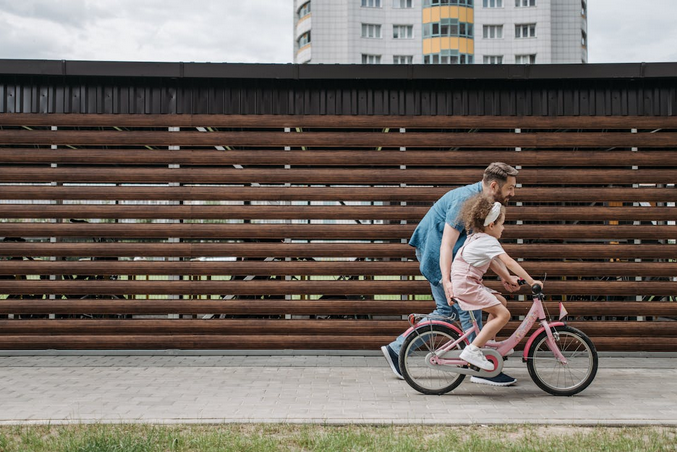
Movement is a powerful stress reliever for kids. It helps release pent-up energy and produces feel-good chemicals in the brain. Daily physical activity supports better sleep and a more balanced mood. The key is balance. While structured sports have benefits, unstructured play is just as important. Too many scheduled activities, however, can have the opposite effect. Overscheduling can lead to exhaustion and raise anxiety. Every child is different. It’s important to find a unique rhythm that allows for both activity and rest.
Some stress is normal, but when anxiety interferes with sleep, school, or daily life, it may be time to get support. A child who constantly worries, refuses to go to school, or has frequent emotional outbursts might benefit from speaking with a counselor. Therapists who specialize in children can offer coping strategies tailored to their needs. Professional guidance also helps ensure the family has the tools to support the child at home. Early help can prevent anxiety from turning into a bigger problem later on. Helping kids manage stress is not a one-time effort. It’s an ongoing process of support, understanding, and adjustment. Every child is different, and what works for one may not work for another. But with patience and attention, it is possible to reduce anxiety and improve both sleep and performance.